
Workshop discussion summary
Theme: Ethical Business in Practice | Location: Eindhoven, The Netherlands
Home > Editorial > Writing > Business
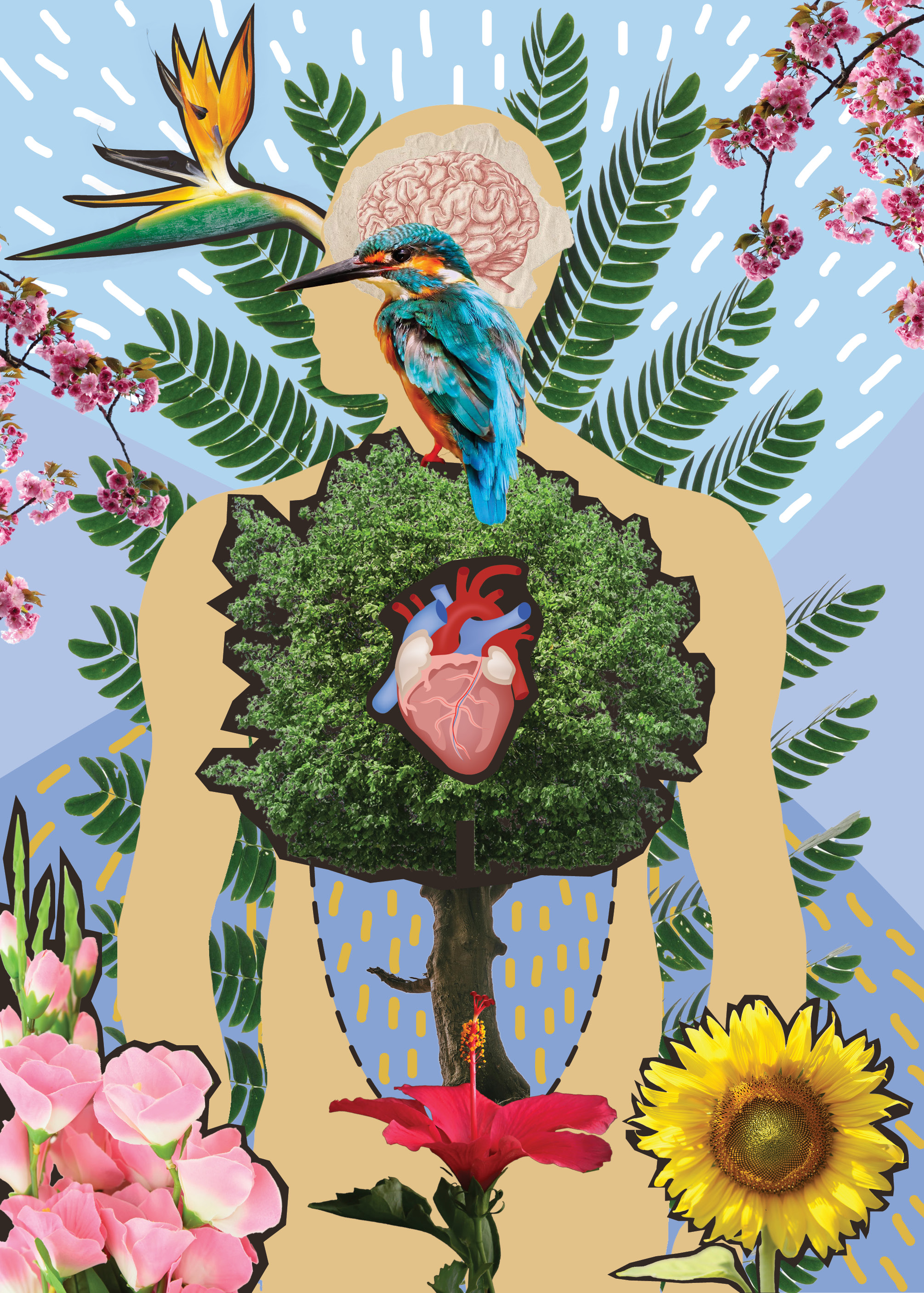
To create sustainable business, take a lesson from nature. To determine whether an initiative is truly beneficial and sustainable, ask whether the model can be found in nature. If a model of any kind operates outside of nature’s proven systems, it is probably acting against the “natural order” of things.
In economies that are modeled after ecology, scalability has no place. Current business thinking, driven by short-term goals — including environmental ones — are fundamentally flawed. Humans, who represent a fraction of the planet’s biological mass, require five planets’ worth of resources due to unsustainable living practices and the way society operates.
Debt, which is a significant source of global problems, is not found in nature. In contrast, nature operates on reciprocity, where one system’s surplus becomes another’s resource, without creating harmful waste. This highlights the need for more intelligent, thoughtful approaches to the creation and use of industrial materials, which often harm the environment, and the urgency for modern society to curb its addiction to consumption.
Progress, historically slow and distributed, is not inevitable or necessary for a good life. Disruption and innovation should occur at the pace of nature, as the rapid changes in today’s world are outpacing the adaptability of nature, including the human body and mind.
A paradigm shift is needed, especially for new startups and companies, focusing on resiliency rather than capitalism and growth. These businesses and their investors, should embrace this principle, questioning the definition of success, modeling behaviors after nature, thinking small, and prioritizing symbiosis over scale.
Concept contributors: Reon Brand, Twan Roubroeks, Jessica Smarsch, Edgar van der Linden, and Christel Verboven
Writing & Illustration: Jessica Smarsch
 Seeds
Seeds 