
Workshop discussion summary
Theme: Ethical Business in Practice | Location: Eindhoven, The Netherlands
Home > Editorial > Writing > Nature
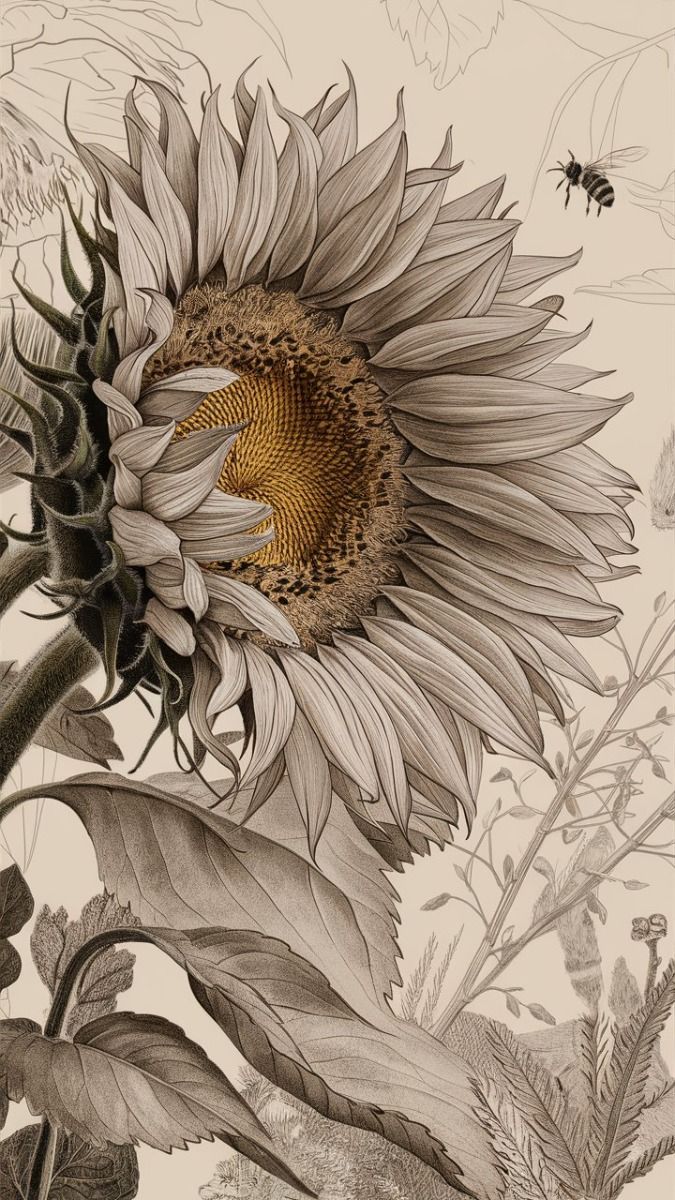
Nature is a resilient, self-correcting system that successfully sustains life through diversity and redundancy. Its flawless functioning fosters balance of cooperation, symbiosis, and predation, making even the most advanced man-made systems appear crude. The pursuit of efficiency in business and society often sacrifices resiliency for short-term profits and dominance, creating brittle and unsustainable systems.
Efficiency, encouraged by capitalistic pursuits of exponential growth and profit, is part of the modern myth. Modern society is led by the ideals of progress, which naively promise a better future. We have abandoned the cyclical rhythms of nature that once shaped human lives. Instead of living harmoniously with the seasons, society is now plagued by industrial practices, pollution, and a poisoned environment. To combat the trade-offs of “progress”, companies create solutions for the subsequent diseases that these pollutions create, rather than solve the root problems.
Cleaning up industrial pollution, eliminating pesticides, and reconnecting with nature is essential for healthy living. The Japanese practice of “Shinrin-yoku,” or forest bathing, has proven more effective for certain ailments, like high blood pressure, than conventional treatments. Immersing oneself in nature allows the body to recalibrate its natural biorhythms, promoting healing without artificial interference. The human microbiome, which regulates the immune system, thrives in healthy environments. Living in balance with biodiversity, eating a nutritious diet, and fostering strong connections to nature can significantly reduce the likelihood of disease.
Society is vastly underutilizing nature’s inherent power to heal both people and the planet. A re-evaluation of our relationship with nature is needed. This includes how we grow and eat food, the environments in which we live, and how these systems interact.
Moreover, business models must be redefined to mirror the principles of nature. Nature’s finely tuned systems, perfected over billions of years, offer a blueprint for sustainability. Rather than fostering competition and secrecy, businesses should embrace cooperation, shared success, and mutual support, creating a symbiotic ecosystem. This shift in thinking questions the need for things like intellectual property (IP) protection, suggesting that businesses can thrive through collaboration rather than exclusivity.
Concept contributors: Reon Brand, Twan Roubroeks, Jessica Smarsch, Edgar van der Linden, and Christel Verboven
Writing: Jessica Smarsch
 Seeds
Seeds 